
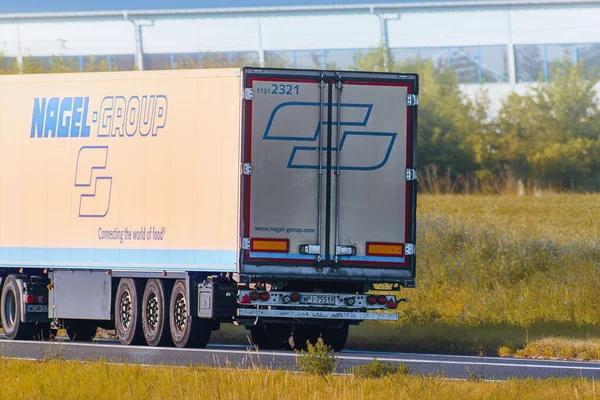
Trucking services play a pivotal role in today’s logistics industry, serving as the backbone for the efficient movement of goods across regions and countries. As global trade expands and consumer demand grows, the need for reliable transportation solutions becomes increasingly critical. Trucking offers unmatched flexibility compared to other modes of transport, such as rail or air, by providing door-to-door delivery capabilities. This adaptability ensures that products reach their destinations promptly, supporting supply chains in various sectors including retail, manufacturing, agriculture, and construction.
One of the primary advantages of trucking is its ability to connect different parts of the supply chain seamlessly. Trucks facilitate last-mile delivery, which is essential for getting goods from distribution centers directly to retailers or end customers. This stage often determines customer satisfaction levels because timely deliveries impact inventory management and sales performance. Moreover, seattle wa trucking companies in have evolved by integrating advanced technologies like GPS tracking and route optimization software. These tools enhance operational efficiency by reducing transit times and fuel consumption while improving transparency for clients who can monitor shipments in real time.
The diversity within trucking services also contributes significantly to logistics effectiveness. Different types of trucks are designed to handle specific cargo requirements-ranging from refrigerated trucks for perishable items to flatbeds for oversized loads. Specialized carriers ensure that sensitive or bulky materials are transported safely without compromising quality or safety standards. Additionally, trucking supports multimodal transportation systems where goods transfer between ships, trains, and planes before final delivery on roads; this interconnectedness strengthens global trade networks.
Despite its importance, the trucking industry faces challenges such as driver shortages and regulatory pressures aimed at reducing environmental impacts. The demand for skilled drivers continues to outpace supply due to long working hours and lifestyle demands associated with the profession. Regulatory bodies impose stricter emissions standards encouraging fleets to adopt cleaner technologies like electric or hybrid vehicles; these changes require significant investment but promise long-term sustainability benefits.
In summary, trucking service remains an indispensable element in modern logistics by ensuring flexible, reliable transport solutions tailored to diverse shipping needs. Its capacity to provide direct access throughout complex supply chains enhances overall efficiency while adapting continuously through technological advancements and evolving regulations. As commerce grows increasingly interconnected worldwide, trucking will continue playing a fundamental role in maintaining smooth operations across industries dependent on timely product movement from origin points all the way through final delivery stages within competitive markets demanding speed and reliability alike.
