
Successful home renovations require careful planning and methodical execution to ensure the project meets expectations without unnecessary stress or cost overruns. The first step involves defining clear objectives for the renovation. Homeowners should identify what they want to achieve, whether it is increasing living space, improving functionality, updating aesthetics, or boosting property value. Understanding these goals early on helps shape decisions throughout the process and provides a benchmark for evaluating progress.
Once objectives are established, conducting thorough research becomes essential. This includes gathering ideas from magazines, websites, and professional consultations to visualize potential designs and materials. It is important to consider current trends alongside timeless styles that suit personal taste and complement existing structures. Researching local building codes and regulations also ensures compliance with legal requirements before any physical work begins.
Budgeting follows as a critical phase in planning successful renovations. Accurate cost estimates must account for materials, labor, permits, unexpected expenses, and contingency funds to cover unforeseen issues that often arise during construction. Setting a realistic budget prevents overspending while maintaining quality standards.
After budgeting comes hiring qualified professionals such as architects, contractors, or interior designers who can translate ideas into practical plans. Checking credentials, references, and previous work portfolios helps select reliable experts capable of delivering satisfactory results within agreed timelines.
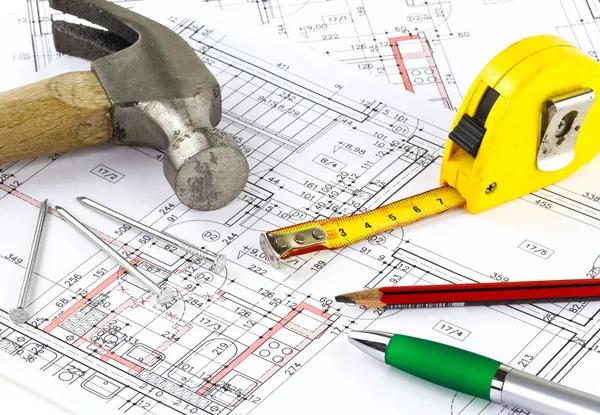
explore the possibilities further design stage involves creating detailed plans and blueprints that address structural changes if necessary as well as aesthetic enhancements like paint colors or fixtures. Clear communication between homeowners and professionals during this phase minimizes misunderstandings later on.
Securing necessary permits prior to starting construction is mandatory in most regions; failure to do so can lead to fines or project delays. Coordinating with local authorities ensures all paperwork is processed correctly.
With approvals in place, scheduling the renovation timeline becomes possible by outlining phases of work sequentially-demolition (if required), structural adjustments, installations such as plumbing or electrical systems followed by finishing touches including flooring and painting.
During execution it is vital for homeowners to stay engaged by monitoring progress regularly through site visits or updates from contractors while remaining flexible enough to accommodate minor changes when needed without compromising overall vision.
Finally completing inspections verifies that all work meets safety standards before moving back into renovated spaces comfortably confident that thoughtful step-by-step planning has transformed their home successfully while avoiding common pitfalls associated with rushed projects lacking structure or foresight.
