
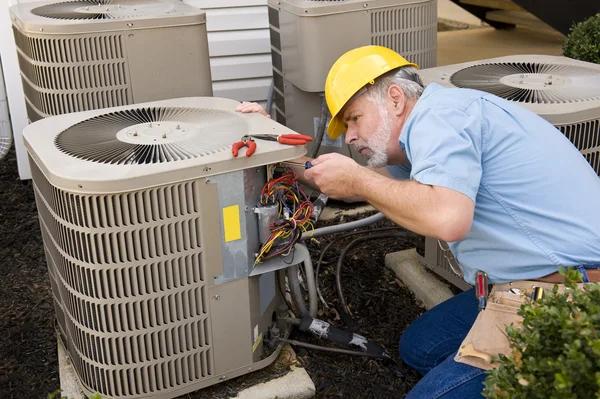
Improving the efficiency of your home’s heating, ventilation, and air conditioning (HVAC) system is one of the most effective ways to reduce energy bills while maintaining comfortable indoor temperatures. Regular maintenance and smart usage practices can have a significant impact on energy consumption. One of the foundational steps is to schedule routine professional inspections and tune-ups. HVAC technicians can identify and address issues such as refrigerant leaks, dirty coils, or malfunctioning components that cause the system to work harder than necessary, which in turn increases energy use. Ensuring that the system is running at its peak performance is essential for reducing unnecessary costs.
Another important aspect involves replacing or cleaning air filters regularly. Clogged or dirty filters restrict airflow, forcing the HVAC system to consume more energy to maintain desired temperatures. Depending on the type of filter and the household environment, this should be done every one to three months. Additionally, sealing leaks in ductwork can prevent conditioned air from escaping before it reaches living spaces. Leaky ducts can waste a considerable amount of energy, so having a professional assess and seal these leaks can greatly improve system efficiency.
Thermostat settings play a crucial role in managing energy consumption. Installing a programmable or meet our team smart thermostat allows homeowners to adjust temperatures based on occupancy patterns, reducing energy use during times when the home is empty or occupants are sleeping. Setting a higher temperature in summer and a lower temperature in winter when the house is unoccupied can result in substantial savings over time.
Homeowners should also consider upgrading to energy-efficient HVAC equipment if their existing system is outdated. Modern units often have higher Seasonal Energy Efficiency Ratios (SEER) and Heating Seasonal Performance Factors (HSPF), meaning they use less energy to provide the same level of heating or cooling. While initial costs may be higher, the long-term savings and improved comfort can justify the investment.
Proper insulation and ventilation complement HVAC efficiency by reducing the workload on the system. Well-insulated walls, attics, and windows help maintain indoor temperatures, minimizing the need for excessive heating or cooling. In addition, ensuring proper ventilation prevents moisture buildup and improves indoor air quality, which supports healthier operation of the HVAC system.
By combining regular maintenance, thoughtful thermostat management, and strategic home improvements, homeowners can significantly reduce their energy bills while extending the lifespan of their HVAC systems. These steps not only benefit the environment by lowering energy consumption but also contribute to a more comfortable and cost-effective living space.
