
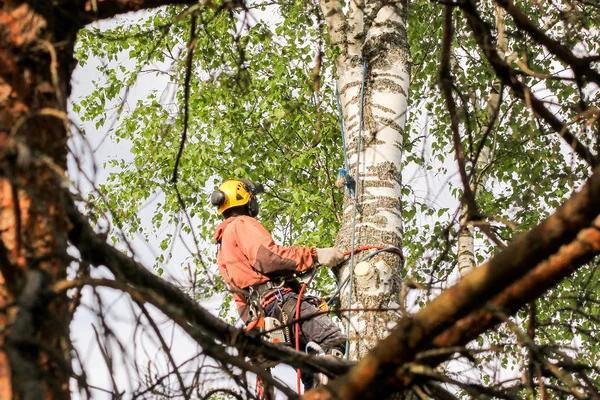
Selecting the appropriate tree services for your property is a critical decision that can significantly impact the health, aesthetics, and safety of your landscape. Trees are valuable assets to any property, providing shade, enhancing privacy, and contributing to the overall beauty of the environment. However, they require regular maintenance and care to ensure their longevity and prevent potential hazards. Therefore, choosing a professional tree service company with expertise and experience is essential.
When considering tree services for your property needs, it is important first to assess what specific services you require. Tree services can range from routine maintenance such as pruning and trimming to more complex tasks like disease management or complete removal. Understanding your property’s particular needs will help narrow down potential service providers who specialize in those areas.
One of the most crucial factors in selecting a tree service company is ensuring they have proper credentials and insurance coverage. A reputable company should have certified arborists on staff who are trained in all aspects of arboriculture. Certification demonstrates a commitment to professionalism and ongoing education in best practices for tree care. Additionally, adequate insurance coverage protects you from liability in case of accidents or damage during service delivery.
Experience also plays a significant role when choosing the right Tree Services provider. Companies with several years of experience typically have encountered various scenarios that equip them with problem-solving skills necessary for handling unique challenges your trees might present. Asking for references or reading customer reviews can provide insights into their reliability and quality of work.
Safety should be at the forefront when hiring any tree service provider due to the inherent risks involved in working with large trees or operating heavy machinery near homes or power lines. Inquire about their safety protocols and whether they adhere to industry standards set by organizations such as OSHA (Occupational Safety and Health Administration). A responsible company prioritizes employee training on safe practices while minimizing risk factors associated with each task undertaken.
