
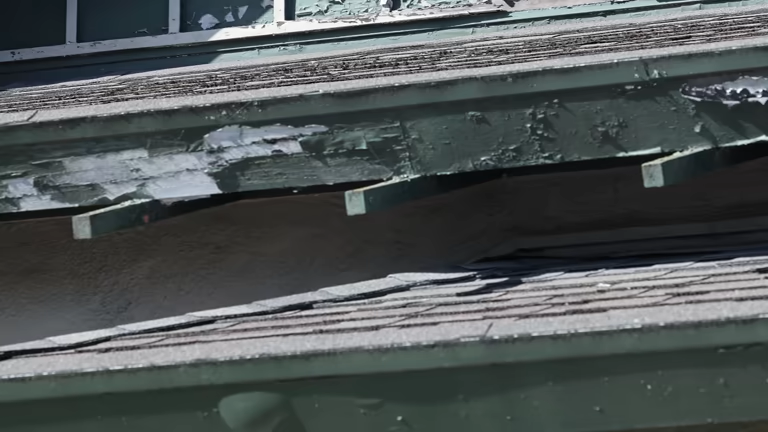
Soffit installation and maintenance are essential components in ensuring the longevity and aesthetic appeal of a building’s exterior. Soffits, typically installed beneath the eaves of a roof, serve both functional and decorative purposes. They provide ventilation to the attic space, preventing moisture buildup and reducing the risk of mold growth or wood rot. Additionally, soffits help keep pests such as birds and insects from entering the roof structure.
Before beginning soffit installation, it is crucial to assess the existing conditions of your home’s eaves. Start by measuring the length and width of the area where you plan to install soffits. This will help in purchasing the correct amount of materials such as vinyl, aluminum, or wood panels. Each material has its pros and cons; for example, vinyl is low-maintenance but can crack in extreme cold, while wood offers natural beauty but requires regular upkeep.
The first step in installation involves removing any old soffit material if present. Carefully detach damaged panels or boards without harming underlying structures like fascia boards or rafters. Next, inspect for any signs of damage such as rot or insect infestation that may need repair before proceeding further.
Once preparation is complete, begin installing vented soffit panels to ensure proper soffite airflow into attic spaces. Proper ventilation helps regulate temperature extremes inside attics during summer and winter months alike. Cut panels according to measurements using tin snips or a saw designed for your chosen material type.
Attach starter strips along fascia boards at regular intervals using corrosion-resistant nails or screws-this provides a secure base for subsequent panel placement. Fit each panel snugly into place on these strips while maintaining alignment with adjacent sections to create a seamless appearance.
When installing non-vented sections near corners or transitions between different siding types, use solid panels cut precisely for those areas without vents since ventilation isn’t required there.
Maintenance plays an equally vital role after installation is complete. Inspect soffits periodically-preferably twice yearly-for signs of damage including cracks, warping, discoloration due to sun exposure, dirt accumulation from pollution or nearby trees’ debris buildup inside vent holes which can obstruct airflow causing moisture issues within attic spaces over time.
Cleaning involves gentle washing with water mixed with mild detergent applied via soft brush followed by rinsing thoroughly with clean water avoiding high-pressure washers that might damage delicate materials particularly vinyl ones prone to cracking under pressure.
If minor damages are detected early enough like small cracks on vinyl panels they can often be repaired using specialized patch kits available commercially rather than replacing entire sections saving cost significantly over time while preserving overall structural integrity visually appealing look remains intact enhancing curb appeal too.
In conclusion maintaining well-installed soffits improves energy efficiency by promoting proper attic ventilation reduces potential costly repairs related to moisture problems pest invasions also contributes positively towards home aesthetics making it worthwhile investing effort initially during installation phase along continuous care throughout lifespan ensuring protection against weather elements thus extending durability considerably keeping homes safe comfortable year-round effectively managing one important element often overlooked yet critical within residential construction frameworks today.
