
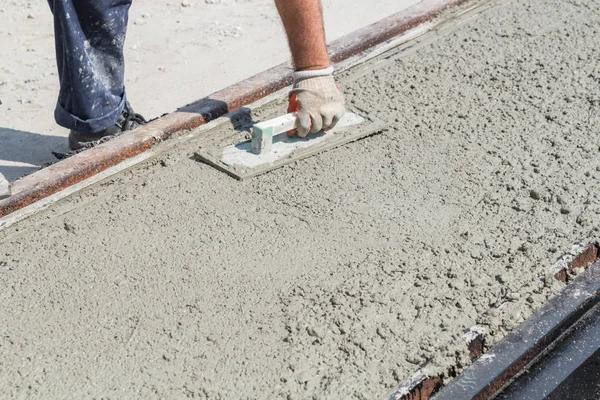
Tennessee’s construction industry is experiencing significant advancements driven by the expertise of local concrete precast specialists. These professionals are at the forefront of transforming building practices through innovative techniques and materials that enhance efficiency, durability, and sustainability. The use of precast concrete elements has become increasingly popular in Tennessee due to their ability to accelerate project timelines while maintaining high standards of quality. By manufacturing components off-site in controlled environments, precast specialists reduce the impact of weather delays and improve overall construction precision.
One notable trend fueled by these experts is modular construction, where entire sections or modules are fabricated using precast concrete before being transported and assembled on-site. This method not only decreases labor costs but also minimizes waste generation compared to traditional cast-in-place methods. Tennessee’s precast producers have refined this approach to suit a variety of applications, including commercial buildings, parking structures, bridges, and residential developments. Their capability to customize designs ensures that aesthetic considerations align with structural requirements without compromising performance.
Sustainability is another key focus area influenced by Tennessee’s concrete precast sector. Many companies prioritize environmentally friendly practices such as incorporating recycled materials into their mixes or utilizing energy-efficient curing processes during production. This commitment reduces carbon footprints associated with construction activities while delivering products that meet stringent environmental regulations. Additionally, durable precast components contribute to longer service life for structures, reducing maintenance needs and resource consumption over time.
Technological integration also plays a vital role in advancing construction trends within Tennessee’s market. Precast specialists employ Building Information Modeling (BIM) and other digital tools to streamline design coordination between architects, engineers, and contractors. These technologies facilitate accurate fabrication drawings and help identify potential clashes early in uncover the secrets process, preventing costly rework during installation phases. Furthermore, automation in manufacturing plants enhances consistency across batches of concrete elements ensuring uniform strength characteristics essential for safety compliance.
The economic benefits brought about by these innovations cannot be overlooked either; faster completion times lead to earlier occupancy or usage which improves return on investment for developers and clients alike. Moreover, reduced site congestion from fewer deliveries accelerates urban projects where space constraints pose challenges typical throughout many Tennessee cities.
