
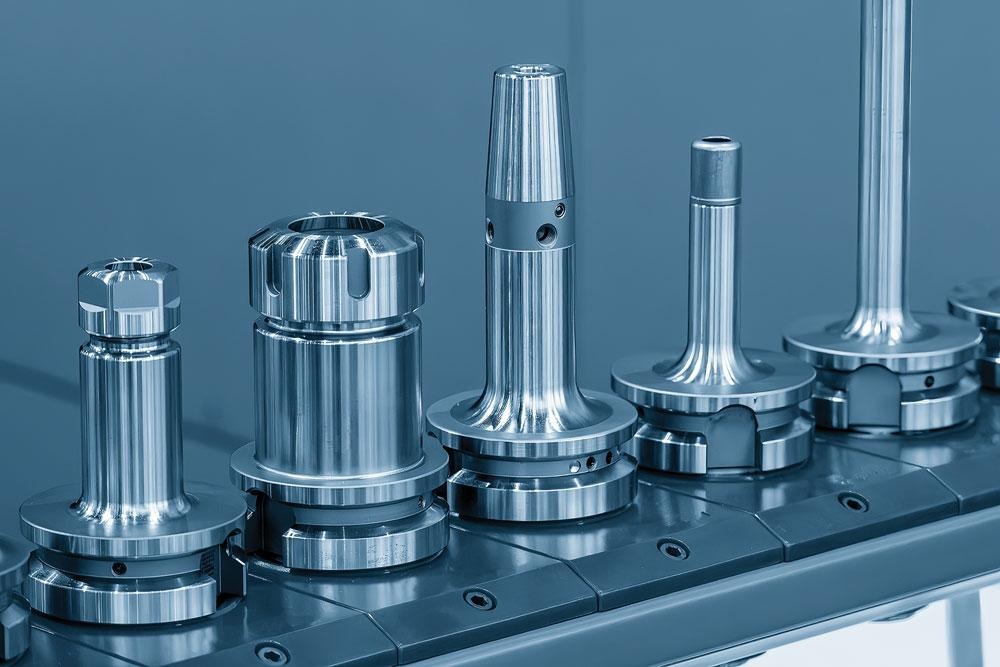
Engineered tungsten carbide solutions and manufacturing services play a crucial role in various industries that demand exceptional hardness, wear resistance, and durability. Tungsten carbide is a composite material made from tungsten and carbon atoms bonded together to form an extremely hard substance. This material is widely used in applications ranging from cutting tools to mining equipment due to its ability to withstand harsh operating conditions while maintaining structural integrity. The engineering of tungsten carbide components involves precise control over composition, grain size, and manufacturing processes to tailor properties for specific uses.
Manufacturing services specializing in tungsten carbide often begin with powder metallurgy techniques, where fine powders of tungsten and carbon are carefully mixed before being compacted under high pressure. This process ensures uniform density and eliminates voids within the material. Subsequently, sintering at elevated temperatures bonds the particles into a solid mass without melting them completely, preserving the desired microstructure. Advanced manufacturers employ additional methods such as hot isostatic pressing or infiltration with cobalt binders to enhance toughness while retaining hardness.
Customization forms a significant aspect of engineered tungsten carbide manufacturer Latrobe solutions. Different industries require varying combinations of hardness, impact resistance, thermal stability, and corrosion resistance depending on their operational environment. For instance, cutting tools used in machining metals must maintain sharp edges under high-speed frictional forces; thus they benefit from fine-grain carbides with optimized binder content. In contrast, wear parts for mining machinery need higher toughness levels to resist chipping during abrasive contact with rocks or ores.
The versatility offered by modern manufacturing technologies enables producers to create complex shapes through precision grinding or electrical discharge machining after initial sintering processes have been completed. These secondary operations allow tight tolerances essential for components like drill bits or dies where dimensional accuracy directly affects performance outcomes.
Quality control remains an integral part throughout production stages to guarantee reliability and consistency across batches. Techniques such as X-ray diffraction analysis help verify phase compositions while hardness testing confirms compliance with specified mechanical properties standards. Additionally, microscopic examination can detect defects early enough for corrective action before final delivery.
Collaboration between clients and manufacturers enhances solution effectiveness by aligning design parameters closely with end-use requirements rather than relying solely on off-the-shelf products. This approach reduces downtime caused by premature tool failure or suboptimal component behavior under demanding conditions.
In summary, engineered tungsten carbide solutions combined with specialized manufacturing services deliver tailored materials capable of meeting stringent industrial demands efficiently. Their development requires expertise in powder processing methods alongside advanced shaping techniques supported by rigorous quality assurance protocols that ensure each product performs reliably throughout its service life across diverse applications worldwide.
Extramet Products
2890 Ligonier St, Latrobe, Pennsylvania 15650
724-532-3041
