
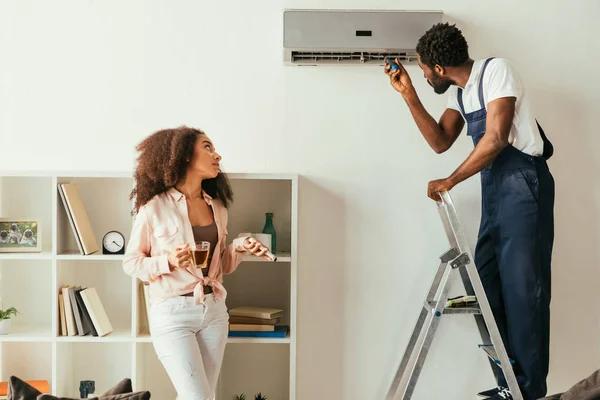
Uneven room temperatures can be a persistent issue in many homes, leading to discomfort and inefficiency. Homeowners often find themselves puzzled when one room feels like a sauna while another resembles an icebox. Understanding how HVAC contractors diagnose and address these issues is crucial for maintaining a comfortable living environment.
HVAC systems are complex networks responsible for heating, ventilation, and air conditioning within homes. When they function optimally, they maintain consistent temperatures throughout the house. However, several factors can disrupt this balance, resulting in uneven temperatures across different rooms. Recognizing the importance of professional diagnosis by an HVAC contractor is essential click for in-depth information homeowners aiming to resolve such issues effectively.
One primary reason for temperature discrepancies is improper system design or installation. An HVAC contractor possesses the expertise to evaluate whether the system was initially set up correctly. They assess factors like ductwork layout and sizing to ensure that airflow is distributed evenly throughout the home. If any faults are found in the original setup, contractors can recommend modifications or upgrades to rectify these problems.
Another common cause of uneven temperatures is inadequate insulation or air leaks within the home’s structure. An experienced HVAC contractor conducts thorough inspections using advanced tools such as thermal imaging cameras to identify areas where heat loss occurs or cold air infiltrates. By pinpointing these vulnerabilities, contractors provide solutions like sealing gaps or adding insulation materials that significantly enhance energy efficiency and indoor comfort levels.
Furthermore, HVAC contractors examine components such as dampers and vents that regulate airflow into different rooms. Sometimes these elements become stuck or misaligned over time, impeding proper distribution of conditioned air. Contractors have specialized knowledge to adjust or repair these components so that each room receives adequate airflow according to its specific needs.
Routine maintenance also plays a pivotal role in preventing temperature imbalances within homes equipped with central heating and cooling systems. Regular servicing by qualified professionals ensures optimal performance by identifying potential issues before they escalate into major problems affecting overall functionality.
Moreover, technological advancements have introduced smart thermostats capable of zoning control—allowing homeowners greater flexibility over individual room climates through remote access applications on smartphones or tablets—enabling precise adjustments based on occupancy patterns without wasting resources unnecessarily heating unoccupied spaces during certain times of day/night cycles; thereby promoting both energy conservation efforts alongside personalized comfort preferences simultaneously!
In conclusion: understanding how an expert diagnoses underlying causes behind inconsistent indoor climates empowers homeowners not only towards achieving desired thermal equilibrium but also contributes positively towards sustainable living practices benefiting both personal well-being plus broader environmental considerations alike!
