
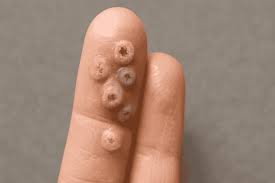
Mole removal is a common dermatological procedure that many individuals consider for both cosmetic and medical reasons. Moles, medically known as nevi, are clusters of pigmented cells that appear as small, dark brown spots on the skin. While most moles are harmless, some may pose a risk for developing into malignant melanoma, a serious form of skin cancer. Therefore, understanding safe and effective care options for mole removal is crucial.
The first step in mole removal is an accurate assessment by a dermatologist or healthcare professional. This evaluation often involves examining the mole’s size, shape, color, and border to determine whether it displays any atypical characteristics suggestive of malignancy. If there is suspicion of cancerous potential, a biopsy might be performed before complete body wart removal to ensure proper diagnosis.
There are several methods available for mole removal depending on its type and location. One common technique is surgical excision where the mole and some surrounding tissue are cut out using a scalpel or surgical scissors. This method ensures complete removal and allows for histopathological examination if necessary. Another popular technique is shave excision which involves shaving off the protruding part of the mole with a blade; this method generally leaves minimal scarring.
For those seeking non-invasive options, laser treatment offers an alternative approach by using concentrated light energy to break down pigment within the mole without damaging surrounding tissue. However, laser treatments might not be suitable for all types of moles especially those suspected to be cancerous due to lack of tissue sampling capability.
Cryotherapy is another less invasive option involving freezing the mole with liquid nitrogen causing it to fall off over time as healthy skin replaces it underneath. This method works well for superficial moles but may require multiple sessions depending on size and depth.
