
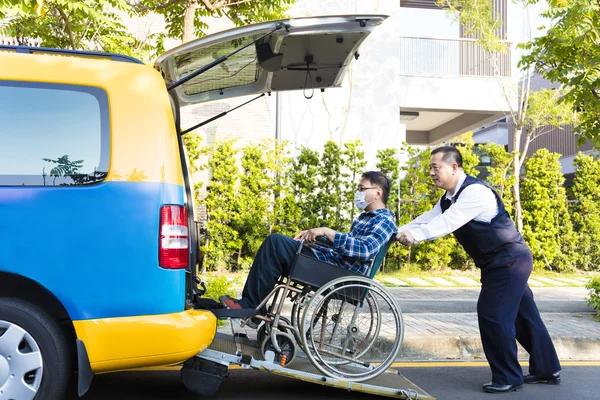
Preparing patients for long-distance medical transport is a complex process that requires meticulous planning, coordination, and communication among healthcare professionals. The goal is to ensure the safety and comfort of patients while maintaining their medical stability throughout the journey. Medical teams employ a systematic approach to prepare patients for such transport, taking into account various factors including the patient’s medical condition, mode of transportation, and logistical considerations.
The preparation process begins with a comprehensive assessment of the patient’s health status. This involves evaluating their current medical condition, reviewing their medical history, and understanding any specific needs they may have during transit. Physicians play a critical role in determining whether a patient is stable enough for transport and identifying potential risks that could arise during the journey. This initial evaluation helps in formulating an appropriate care plan tailored to each patient’s unique requirements.
Once the assessment is complete, logistics come into play. Depending on the distance and urgency of transport, different modes such as ground ambulances or air ambulances may be considered. Air ambulances are often used for international or cross-country transfers due to their speed and ability to cover vast distances quickly. These aircraft are equipped with advanced life support systems akin to discover further those found in intensive care units (ICUs), ensuring continuous monitoring and treatment capabilities en route.
Medical teams also focus on assembling an appropriate crew based on the patient’s needs. Typically comprising paramedics, nurses, or doctors specialized in critical care medicine or emergency services, these professionals are trained to handle emergencies that might occur mid-transport. Their expertise ensures that any sudden changes in a patient’s condition can be managed promptly.
Communication between sending and receiving facilities is crucial for seamless transitions before and after transport. Coordinating with hospitals ensures continuity of care upon arrival at the destination facility. Detailed handovers include sharing information about ongoing treatments, medications administered during transit, vital signs observed en route, and any incidents encountered.
Patient comfort is another key consideration when preparing for long-distance travel. Measures such as securing necessary medications for pain management or anxiety relief are taken prior to departure. Additionally, ensuring adequate hydration and nutrition during longer journeys aids in maintaining overall well-being.
Family members are often involved in discussions about transport plans which provides reassurance both emotionally to them as well as practically if decisions need making along way.. Clear explanations regarding procedures help alleviate concerns they may have regarding safety aspects associated with long-distance transfers..
In conclusion,, successful preparation hinges upon thorough assessments,, careful logistical planning,, effective communication among all parties involved,,and attentive monitoring by skilled healthcare providers.. With these elements combined,,medical teams can safely facilitate long-distance transports while prioritizing patient welfare every step along way..
